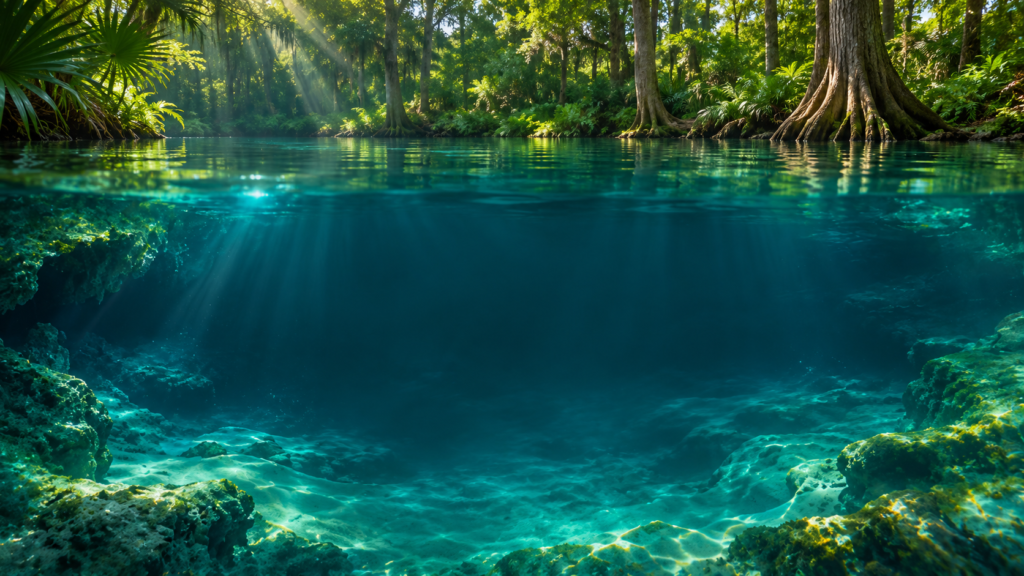
North Florida state parks offer a remarkable mix of freshwater springs, river landscapes, woodland trails and natural history. They also remind us why caring for these places matters. Since 2001, the North Florida Springs Alliance (NFSA) has helped support five of these special parks through volunteer work, research, education and park improvements.
Whether you live nearby or are discovering the region for the first time, these five parks are a wonderful introduction to Florida’s natural heritage.
1. Wes Skiles Peacock Springs State Park
Peacock Springs is a window into a world beneath the surface. Its springs, sinkholes and underwater cave systems reveal the remarkable limestone landscape of North Florida. Even from dry land, visitors can learn about the connection between groundwater and the springs.
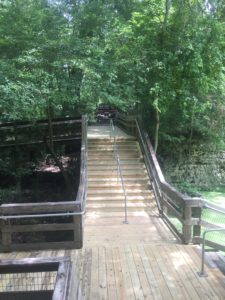
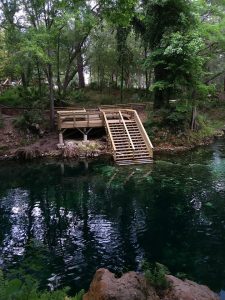
Carefully designed access helps protect sensitive areas. For example, NFSA has supported new steps and landings at Orange Grove Sink. Read the official Peacock Springs park guide before visiting.
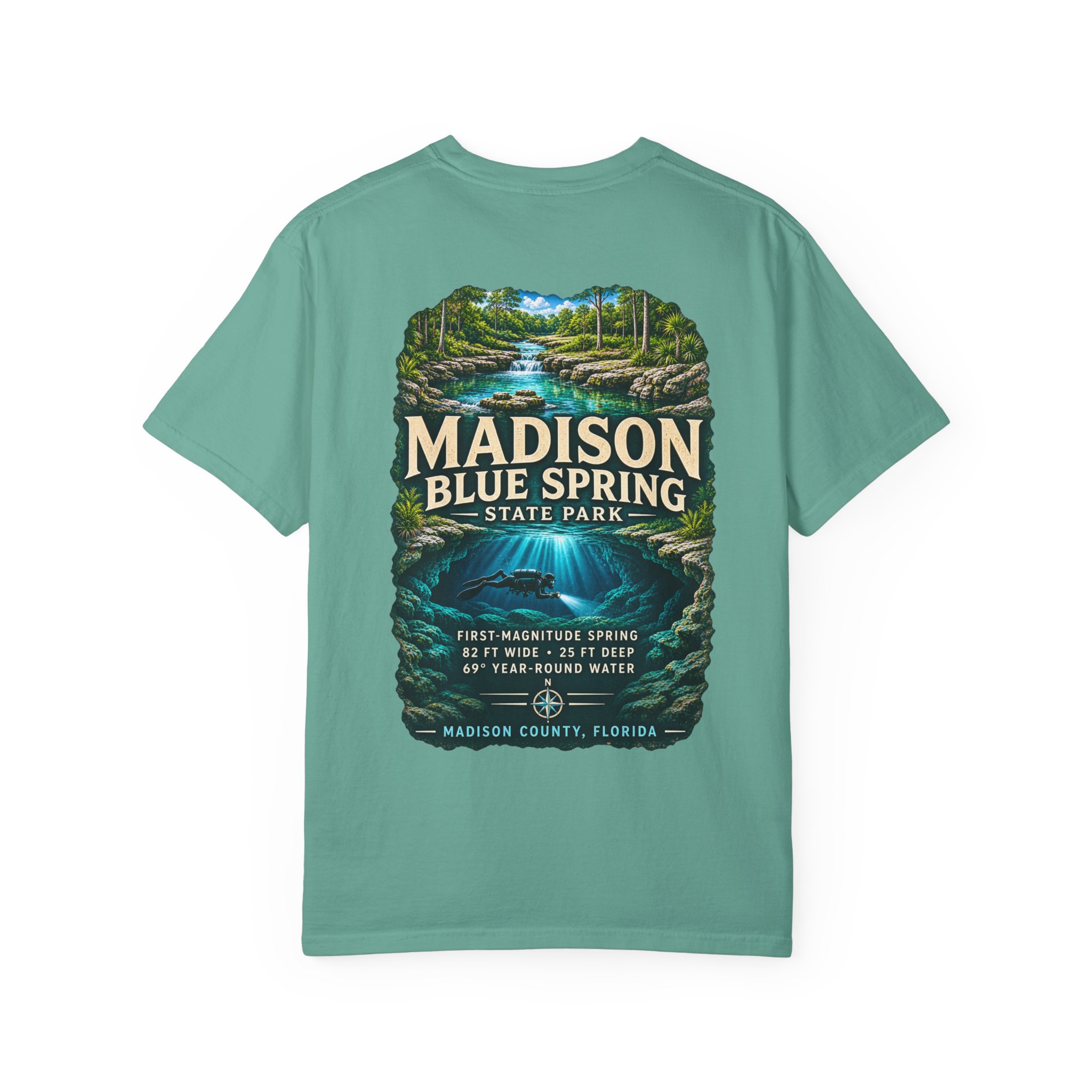
2. Madison Blue Spring State Park
Set beside the Withlacoochee River, Madison Blue Spring is known for its clear water and wooded surroundings. The spring offers a beautiful setting for appreciating freshwater habitats and the connection between springs and rivers.
However, steep banks and heavy use can put pressure on the landscape. NFSA volunteers have helped improve access by building new steps to Martz Sink. Check the official Madison Blue Spring guide for capacity notices and current access rules.
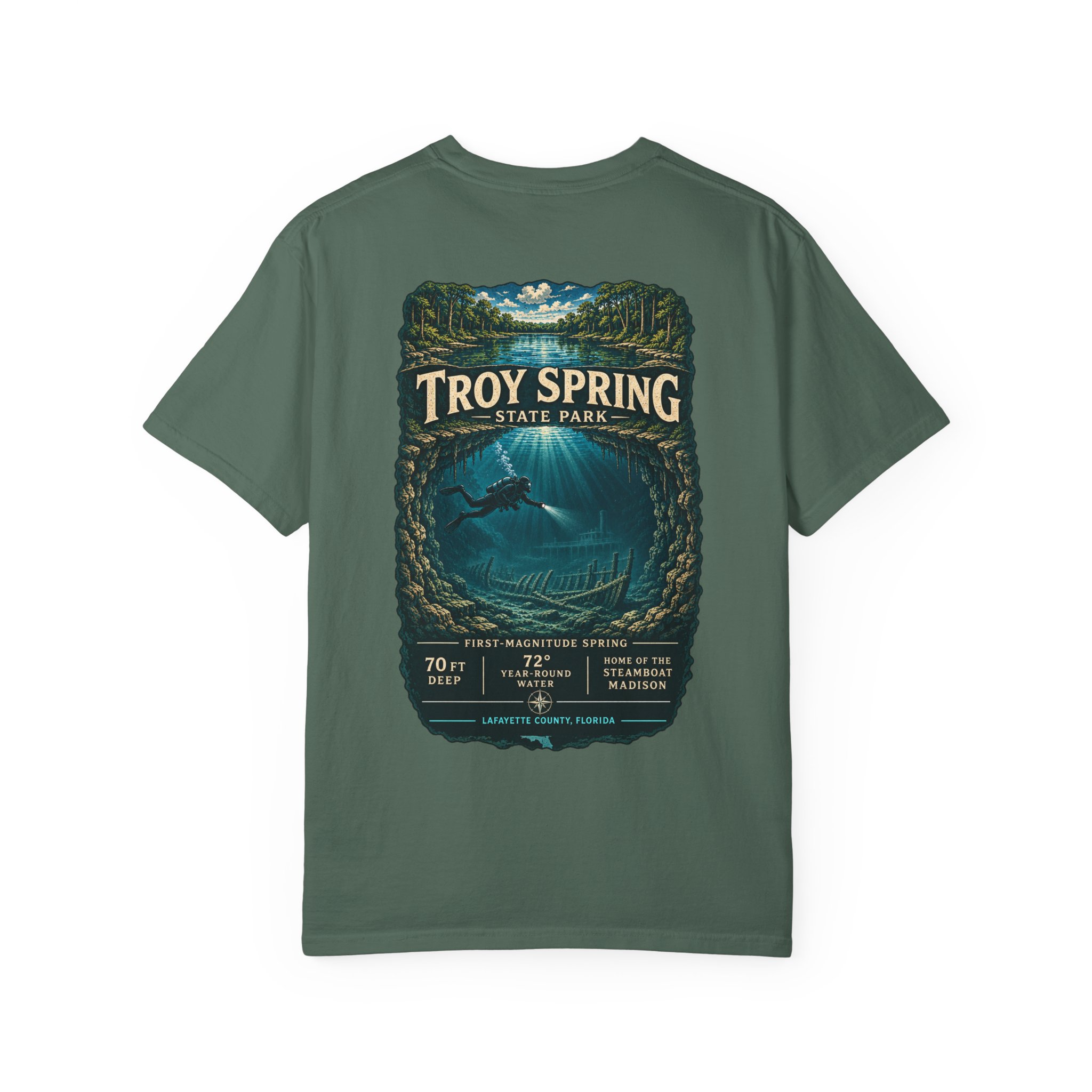
3. Troy Spring State Park
Troy Spring lies near the Suwannee River and combines natural beauty with a fascinating piece of Florida history. The remains of the nineteenth-century steamboat Madison lie in the spring run. The park offers a chance to learn about both the region’s waterways and its past.
Community involvement helps keep places like Troy Spring welcoming and cared for. Learn about NFSA’s Troy Springs EcoDay and consult the official park information for current conditions and activity rules.
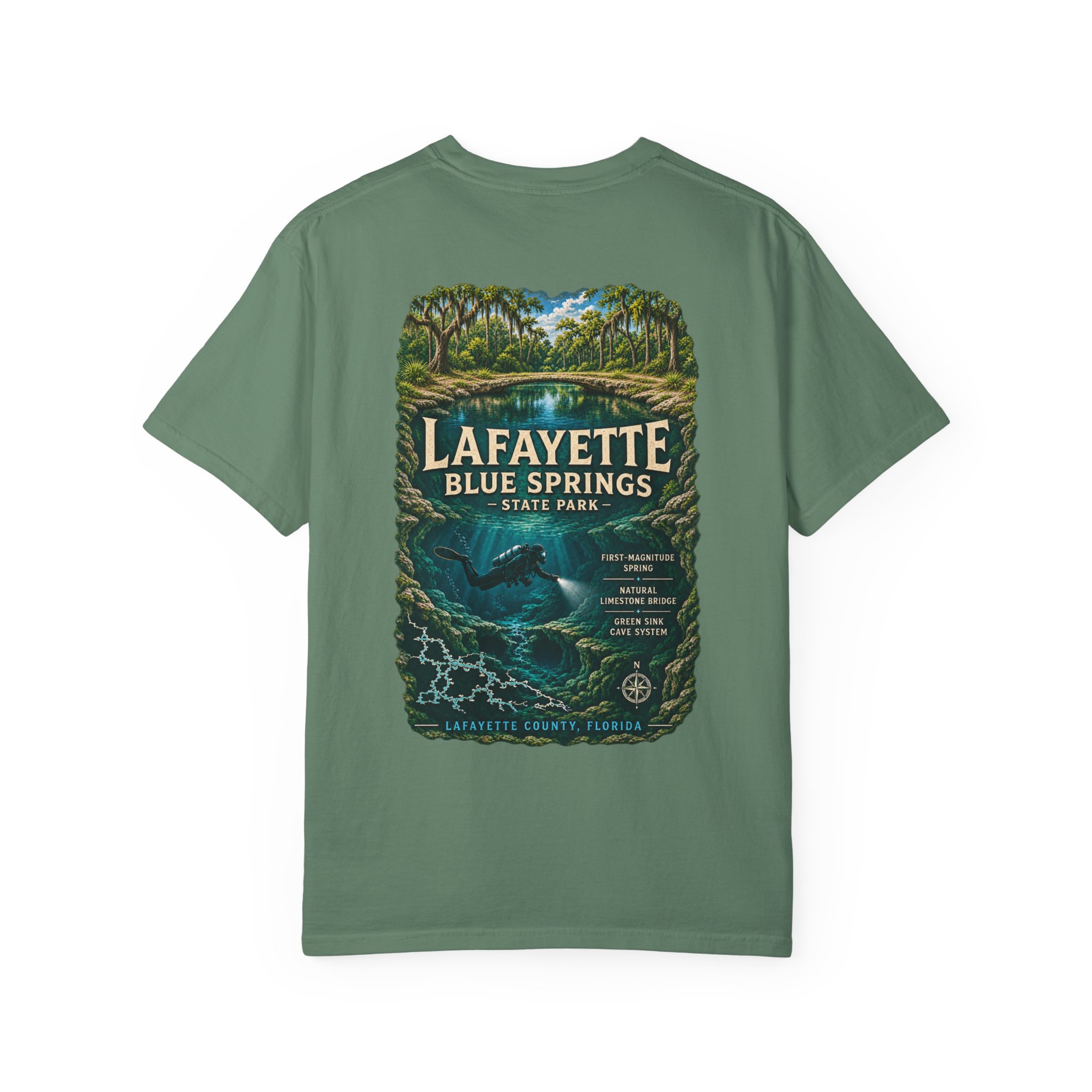
4. Lafayette Blue Springs State Park
At Lafayette Blue Springs, freshwater flows toward the Suwannee River beneath shady trees. A natural limestone bridge crosses the spring run, offering a distinctive example of the geology that shapes this region.
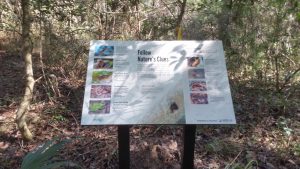
Education is an important part of protecting this landscape. NFSA helped complete an interpretive trail at Lafayette Blue Springs so visitors can learn more about the park. Explore the official park guide to plan your visit.
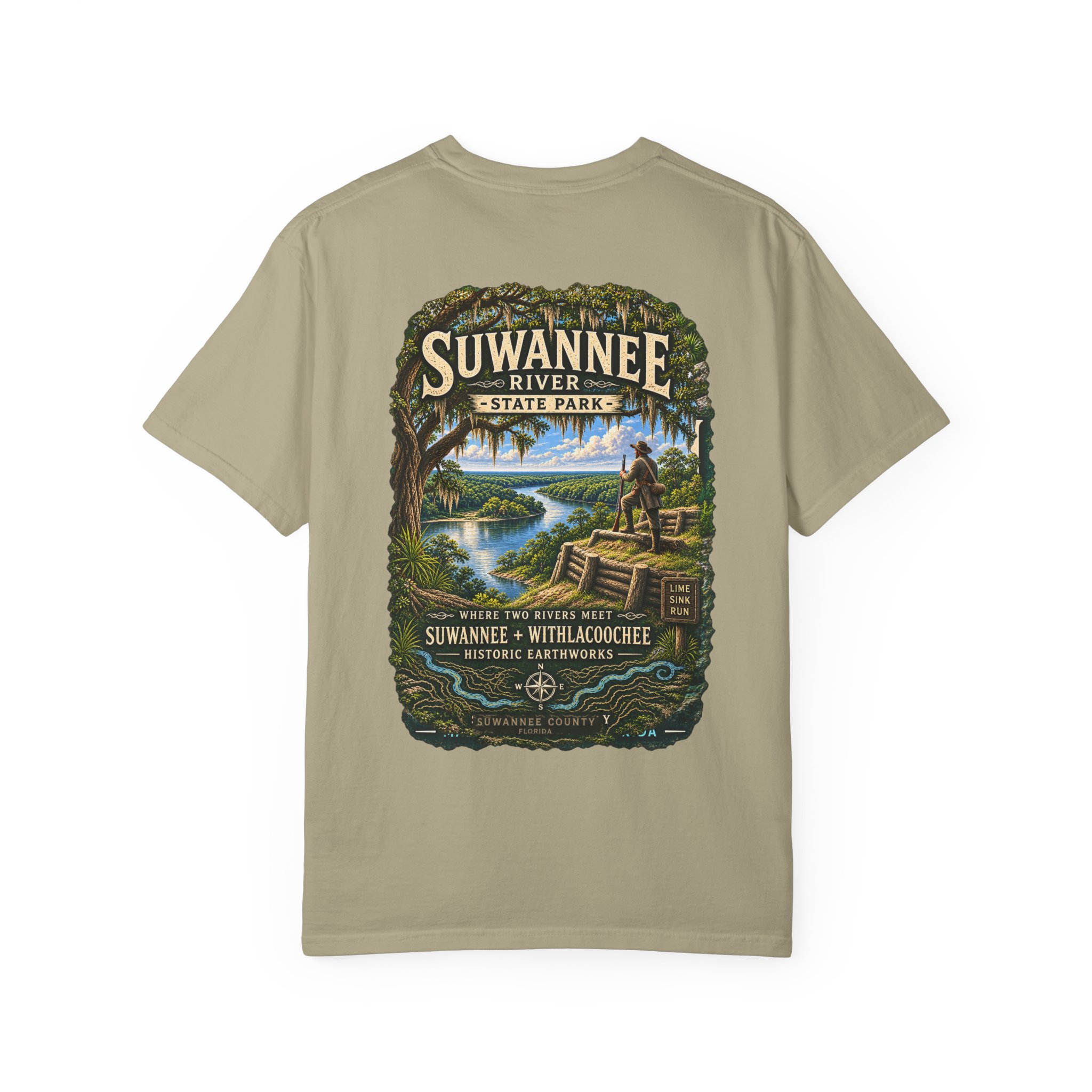
5. Suwannee River State Park
Where the Suwannee and Withlacoochee rivers meet, this park brings together river scenery, native habitats and local history. Its landscape shows that North Florida state parks protect much more than swimming holes. Forests, riverbanks and historic places are also part of the story.
Before heading out, consult the official Suwannee River State Park page. Some facilities and trails may be closed for repairs or upgrades.
How to help protect North Florida state parks
Small choices can make a meaningful difference. Stay on marked trails, respect closed areas, leave wildlife undisturbed and take your rubbish home. Follow posted rules and check park conditions before traveling. Never enter underwater caves without the required training, qualifications and authorization.
In addition, you can help NFSA support longer-term projects. Volunteer work, memberships and donations help the alliance provide resources for park improvements, public education and research. These efforts complement the work of the Florida Park Service.
Turn your love for the springs into support
Become an NFSA member, volunteer your time or make a donation. You can also explore the official NFSA gear collection, including park-inspired shirts and reusable drinkware. Your purchases help support the alliance’s mission.
These five North Florida state parks belong to a remarkable natural landscape. By exploring responsibly and supporting the people who care for them, we can help preserve their beauty for future generations.